
Top Waterproofing Products for Reliable Protection
Explore the leading waterproofing solutions designed to safeguard your property from water damage effectively.
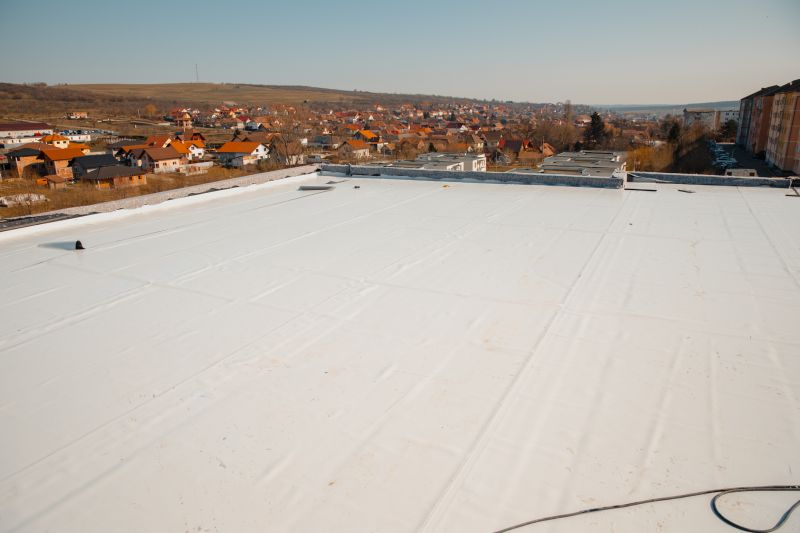 Waterproofing products are essential for protecting various structures from water intrusion and damage. Whether you're working on a basement, roof, or foundation, selecting the right waterproofing solutions can help prevent issues such as leaks, mold growth, and structural deterioration. In Atlanta, GA, where humidity and rainfall are common, having reliable waterproofing supplies is particularly important for homeowners and contractors alike. From surface sealants to membrane systems, the variety of products available caters to different needs and applications.
Top Overall Option
Comprehensive Waterproofing System
A versatile waterproofing system that combines liquid membranes, sealants, and protective coatings offers a comprehensive approach to safeguarding structures. Its adaptable components can be applied to various surfaces, providing a seamless barrier against water penetration. Designed for durability and ease of application, this system is suitable for both residential and commercial projects, ensuring reliable performance over time.
Types of Products For Waterproofings
Liquid Waterproofing Membranes
Flexible liquid coatings that form seamless barriers on roofs, foundations, and basements, providing versatile protection against water intrusion.
Bituminous Coatings
Asphalt-based coatings ideal for sealing and waterproofing below-grade surfaces and roofing applications.
Polyurethane Sealants
High-performance sealants used to fill cracks and joints, preventing water seepage in various structures.
Self-Adhesive Waterproofing Membranes
Peel-and-stick membranes that provide quick and effective waterproofing for foundations and roof decks.
Cementitious Waterproof Coatings
Ready-mixed cement-based coatings suitable for basements, tunnels, and water tanks, offering durable protection.
Rubberized Coatings
Flexible rubber-like coatings that can be applied to irregular surfaces, providing excellent water resistance.
Spray-On Waterproofing
Spray-applied membranes that create uniform waterproof barriers on large or complex surfaces.
Waterproofing Additives
Additives mixed into concrete or mortar to enhance their water resistance properties during mixing.
Drainage Boards
Protective panels that facilitate water runoff and prevent hydrostatic pressure buildup against walls.
Waterproofing Tapes
Specialized tapes used to seal joints, cracks, and seams in various waterproofing applications.
Waterproofing Fabrics and Membranes
Heavy-duty fabrics that serve as a base layer for membrane systems, providing added durability.
Crack Injection Systems
Specialized kits designed to fill and seal cracks in concrete foundations and walls to prevent water leakage.
Waterproofing Paints
Coatings that can be painted onto surfaces to provide an additional water-resistant layer.
Waterproofing Sprays
Aerosol or liquid sprays that can be applied to fabrics, shoes, or small surfaces for water repellency.
Popular Choices
Widely used for their seamless application and adaptability to various surfaces, making them a common choice for waterproofing projects.
Trusted for their durability in below-grade and roofing applications, often favored in construction projects.
Popular for sealing joints and cracks due to their flexibility and strong adhesion properties.
Preferred for quick installation and reliable adhesion on foundation walls and decks.
Commonly applied in basements and water tanks for their ease of use and solid protective qualities.
Chosen for their flexibility and ability to conform to irregular surfaces, often used in roofing and pond linings.
Favored for large-scale or complex surfaces due to their quick application and uniform coverage.
Popular in foundation waterproofing systems to facilitate water drainage and reduce hydrostatic pressure.
Useful for sealing seams and joints, especially in retrofit or repair projects.
Often added to concrete mixes to enhance water resistance during construction.
Commonly used for repairing and sealing cracks in concrete structures to prevent water infiltration.
Applied as a finishing coat to provide an extra layer of water resistance on walls and surfaces.
Proper application of waterproofing materials can extend the lifespan of buildings and improve indoor comfort by reducing moisture-related problems. It is important to understand the specific requirements of your project, including the type of surface, exposure conditions, and desired durability. Choosing high-quality, compatible products ensures effective protection against water ingress while maintaining the integrity of the structure.
In addition to traditional options, innovative waterproofing solutions such as liquid membranes and self-adhesive barriers are gaining popularity due to their ease of use and adaptability. Regular maintenance and inspection of waterproofing systems are recommended to ensure ongoing performance. Consulting with local suppliers or professionals can provide valuable insights tailored to the unique climate and building codes in Atlanta, GA.
Key Buying Considerations
- Identify the specific area or surface that needs waterproofing to choose the most suitable product type.
- Consider the exposure conditions, such as constant moisture, UV exposure, or chemical contact, to select durable materials.
- Evaluate the compatibility of the waterproofing product with existing surfaces and materials.
- Check the ease of application, including tools required and drying or curing times.
- Assess the longevity and expected lifespan of the product under local climate conditions.
- Review manufacturer instructions and recommended maintenance routines for optimal performance.
- Determine whether the product is suitable for interior, exterior, below-grade, or above-grade applications.
- Consider any building codes or regulations specific to Atlanta, GA, that may influence product selection.
- Factor in budget constraints while prioritizing quality and effectiveness.
- Look for products with good adhesion and flexibility to accommodate structural movements.
- Ensure the product provides a seamless barrier to prevent water seepage at seams and joints.
- Check for compatibility with other waterproofing or construction materials used in your project.
- Consider environmental conditions such as freeze-thaw cycles that may impact material performance.
- Read customer reviews and expert recommendations to gauge real-world effectiveness.
- Verify if the product has been tested or certified for specific standards or certifications.